The Closing of Finch Paper and the Future of Vermont’s Forests
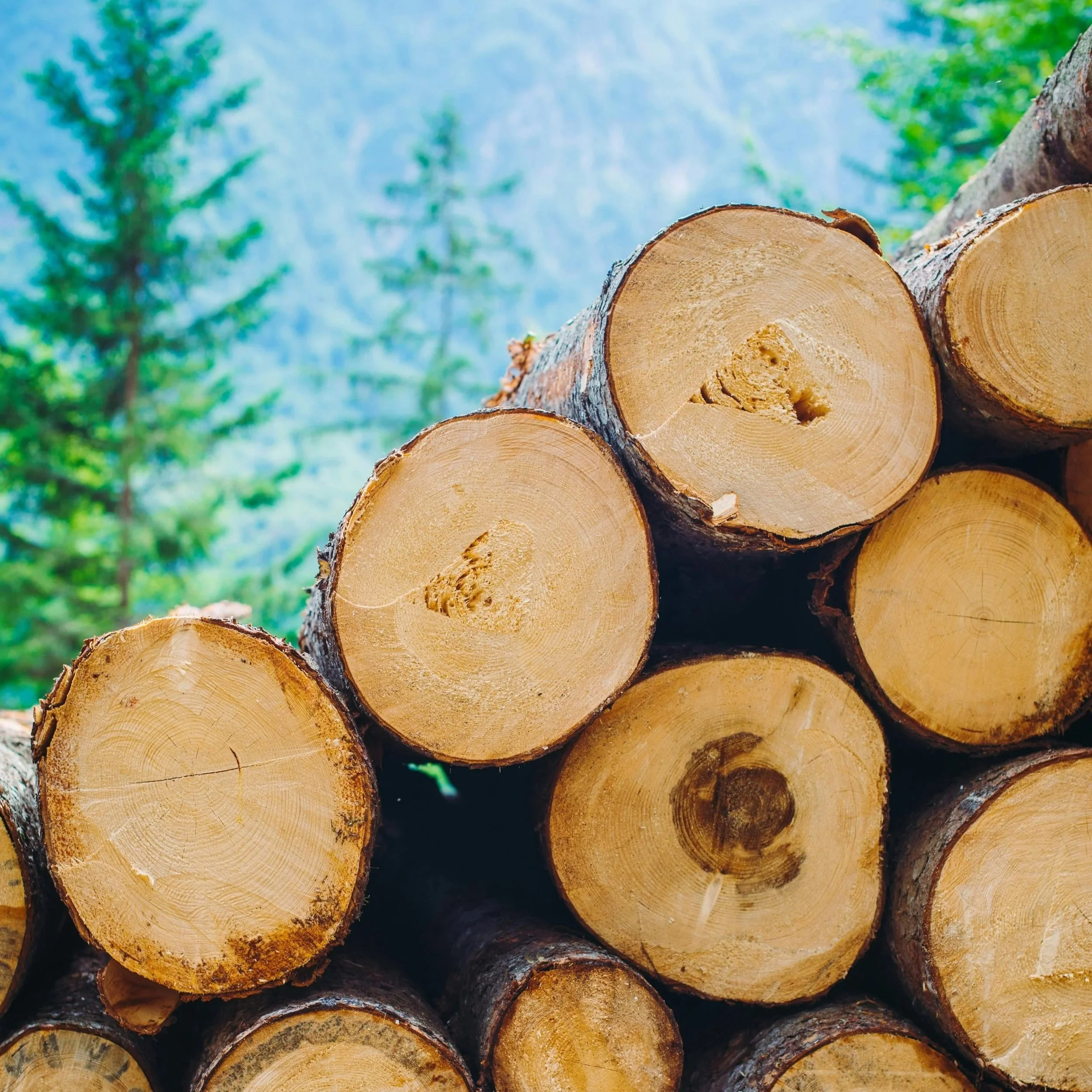
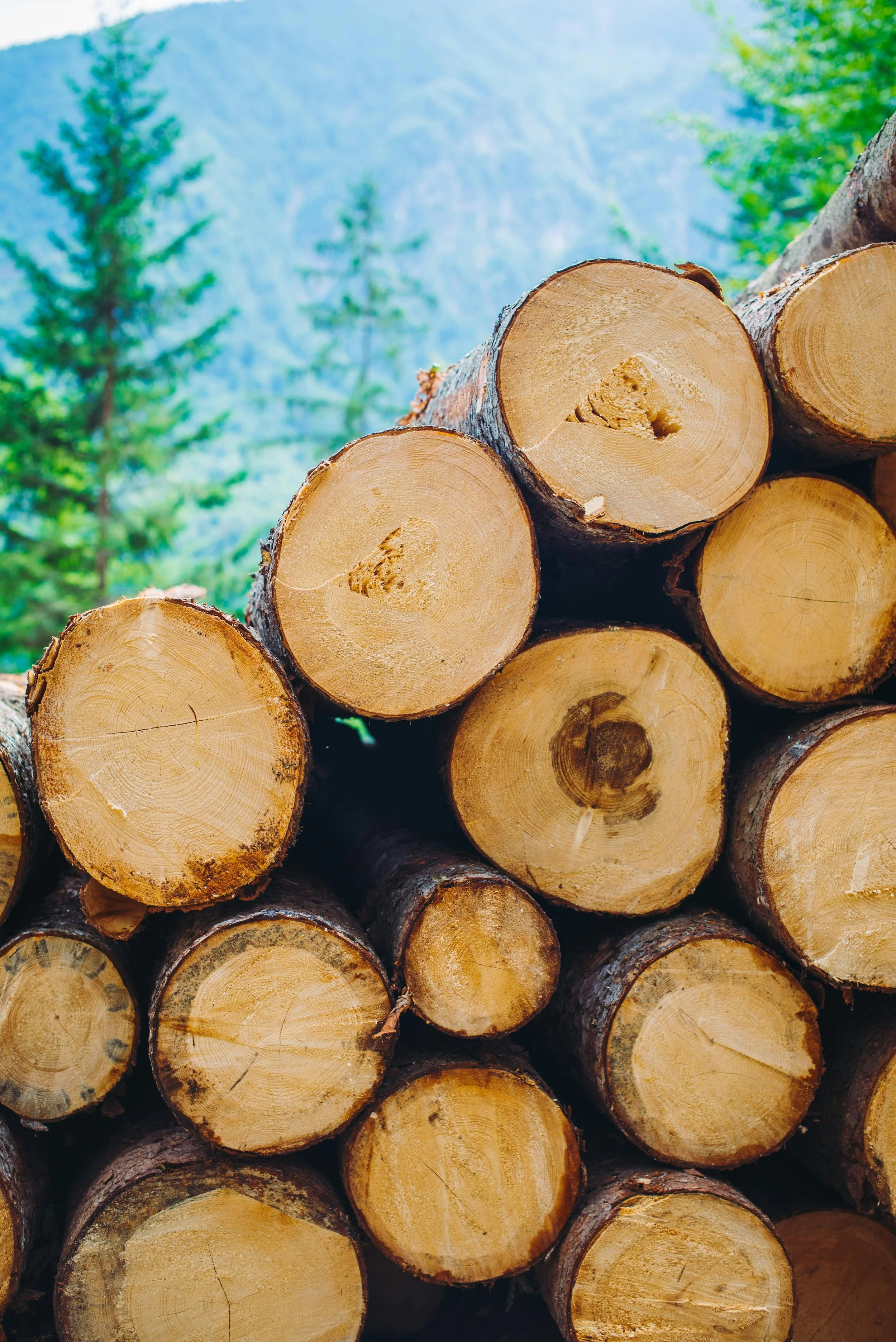
Recent news coverage about the end of pulping operations at Finch Paper has understandably focused on how it is bad for logging contractors, and the forest products industry. As organizations and associations focused on the future of Vermont forests, we agree — those impacts are significant. But the story is more than that: This is bad news for everyone who cares about sustaining Vermont’s forests.
Yes, producing logs and fiber to turn into products we need is often a goal of forest management, but so are the following benefits: improving wildlife habitat, biodiversity, climate resilience, recreational trails, carbon storage, protecting against pests and diseases, addressing introduced invasive plants, managing fire danger, and improving the overall health and diversity of forests.
Our organizations may prioritize the benefits on this list differently, but we agree on one thing: Without buyers for the wood forest management generates, good forest management activities become economically difficult, or impossible, to carry out. And without sustainable management, we believe Vermont will lose the forest benefits we care about, and — worst case — significant acreages of forest.
This is why the Finch news is bad for all Vermonters, even those who may think they don’t care about, or even oppose, “logging.” As VTDigger reported, Finch was one of the last remaining buyers of hemlock pulpwood from Vermont. Overall, the mill purchased an average of approximately 2,000 tons of both softwood and hardwood roundwood a week from our state. There are no other options that can quickly replace this market for low grade wood, which is a part of all forestry operations. That means a lot of things.
Near term, it means Vermont will lose logging and trucking contractors, as well as foresters, the people who manage the forests, harvest wood, and truck wood to mills. It means Vermont landowners will have fewer — or no — market options when they want to improve their forests through management: fewer people to do the work and fewer ways to pay for it.
Longer term, it will mean that less forest management happens in Vermont, including on the more than 2,000,000 acres enrolled in the Current Use Program, which keeps forestland undeveloped. Substandard practices such as “high grading” forests for higher quality saw log timber may be the result of limited wood markets. Poor management practices might be the short-term solution to making ends meet, with serious long-term costs in the form of degraded timber stands that require time and money to remedy. As a result, this increases the pressure on some landowners to seek other sources of income that may involve parcelization, development, or permanent forest conversion. This is an outcome that unites us in concern.
Vermont, New England, and the United States rely on wood for building materials, paper, packaging, and fuel. With over 75% of its land under forest cover, Vermont should be a wood-producing powerhouse — not a state increasingly reliant on timber shipped in from away. Yet due to investment, trade, and policy factors that have been building for decades, that wood is increasingly coming from other parts of the world. As part of a broader approach, we call on innovators, researchers, and policymakers to take the Finch news as both a warning and an invitation.
Vermont has an opportunity to invest in a wider mix of forest products and markets — from advanced wood products and innovative fiber manufacturing to modern and efficient wood energy and other emerging uses for low-grade wood. Creating diverse, resilient, and appropriately scaled markets will provide stability and help Vermont's logging and trucking contractors, mills, and forest products businesses thrive while giving landowners practical options for caring for their forests. In doing so, we can support rural communities, wildlife habitat, climate resilience, outdoor recreation, and the many benefits Vermont's forests provide.
Signatories:
Rob Riley, President, Northern Forest Center
Danielle Fitzko, Commissioner, Vermont Department of Forests, Parks, and Recreation Dana Doran, Executive Director, Professional Logging Contractors Northeast Kate Forrer, Executive Director, Vermont Woodlands Association
Jamey Fidel, Vice President – Vermont, National Audubon Society/Audubon Vermont Steve Hardy, President, Vermont Forest Products Association
Tracy Zschau, President & CEO, Vermont Land Trust
Jed Lipsky, Vermont House of Representatives, Lamoile-1
Abby Long, Executive Director, Northeast Kingdom Collaborative
Tara Miller, Forest & Wildlife Program Director, Vermont Natural Resources Council Eve Frankel, State Director, The Nature Conservancy in Vermont